How Toxic Mold Affects the Brain and Nervous System
Toxic Mold Is a Neurological Stressor
Toxic mold doesn’t just irritate the lungs. It places stress on the nervous system, often triggering symptoms long before respiratory issues appear.
This is why many people experience neurological symptoms without obvious signs of mold in their home.

How Mold Exposure Affects the Brain
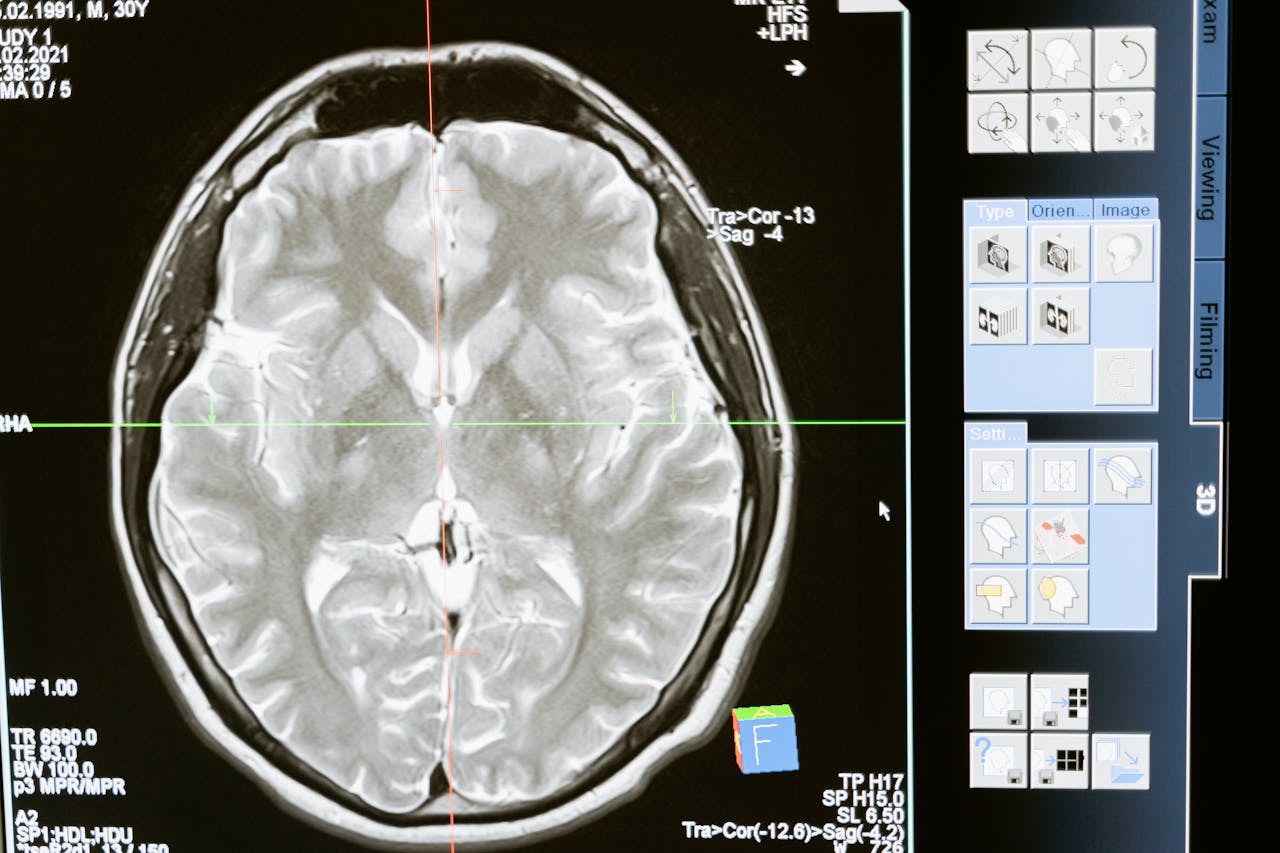
Mold gasses can cross biological barriers and disrupt normal signaling in the brain. Over time, this can lead to:
Brain fog
Memory problems
Dizziness
Heightened anxiety or emotional instability
Because scans and bloodwork often appear normal, symptoms are frequently dismissed.
The Immune System Gets Stuck in Overdrive
Chronic exposure keeps the immune system activated. This constant state of alert drains energy reserves and worsens inflammation, making recovery difficult without removing the source.
Why Environmental Causes Are Missed
Conventional medicine rarely looks at the home environment as a primary factor. Detection methods aligned with mold-literate medicine aim to identify exposure first. This philosophy guides services such as Mold Dog Knows, where identifying the trigger comes before chasing symptoms | About Us.
Q&A:
Can mold cause neurological symptoms?
Yes. Mold toxins can directly affect brain function.
Why don’t medical tests show mold illness?
They are not designed to detect environmental exposure.
Can symptoms persist after leaving exposure?
Yes, especially after long-term exposure.
Final Thought
When symptoms don’t add up, the environment is often the missing piece | Meet the Team!
